Dental Anxiety: How to Finally Feel Comfortable at the Dentist
Dental anxiety affects an estimated 36–80% of adults to some degree. The most common triggers are fear of pain, past bad experiences, and loss of control. Avoiding the dentist leads to a cycle of worsening oral health that makes future visits harder. Practical strategies — including telling your dentist upfront, breathing techniques, and choosing the right clinic — make a real difference. Sedation dentistry is a safe, effective option for patients with moderate to severe anxiety. The right dental team changes everything — find one that listens first.
What Is Dental Anxiety?
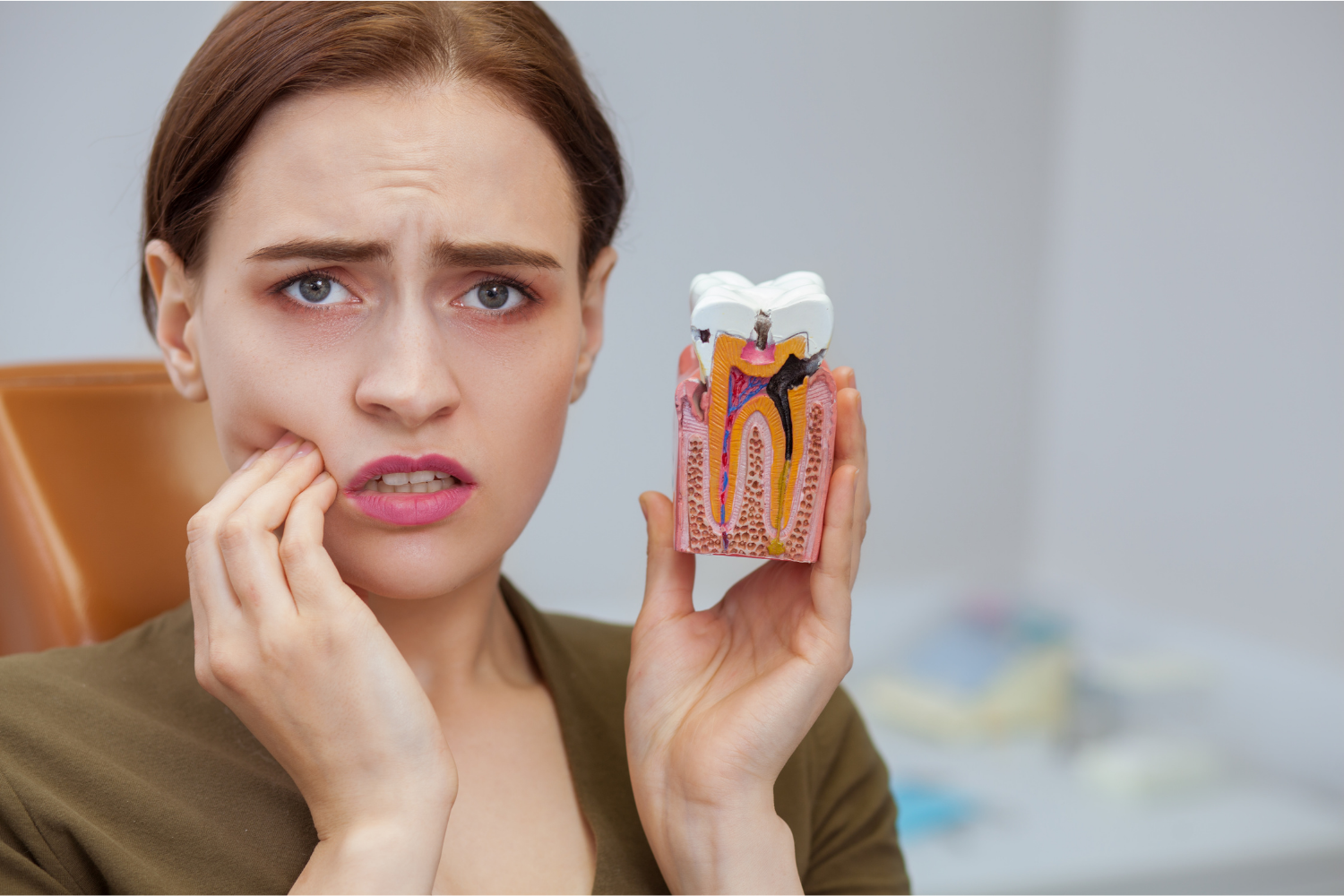
Dental anxiety is fear, apprehension, or stress triggered by the thought of visiting a dentist — or by the visit itself. It exists on a spectrum. For some people, it shows up as mild nervousness before an appointment. For others, it becomes severe enough to prevent them from seeking treatment altogether. That extreme end is sometimes called dental phobia or dentophobia.
According to the Ontario Dental Association, dental anxiety is one of the most significant barriers to regular dental care in Canada — and one that dentists across the country encounter every day. A national survey of the Canadian population found that fear and anxiety are among the leading drivers of sedation demand in dentistry. Broadly, research estimates that between 50% and 80% of adults experience some degree of dental anxiety, while roughly 12% avoid the dentist entirely because of it.
The key takeaway: if this describes you, you are far from alone — and you are not being irrational.
What Causes It?
Understanding where dental anxiety comes from is the first step toward addressing it. The most common causes include:
- Past negative experiences. A painful or frightening visit — especially in childhood — can leave an impression that lasts decades. The brain associates the dental environment with that experience, and the anxiety becomes a conditioned response.
- Fear of pain. This is the most frequently cited trigger. Many people fear that dental procedures will hurt, often based on outdated assumptions about what modern dentistry feels like. Techniques and tools have improved significantly.
- Loss of control. Lying back in a chair, unable to speak, with someone working in your mouth, creates a genuine sense of vulnerability. For many patients, that feeling alone is enough to trigger anxiety.
- Fear of needles or the drill. Specific instruments — particularly needles for local anaesthetic and the sound of a drill — trigger anxiety in a large portion of patients, independent of whether the procedure itself is painful.
- Embarrassment. Patients who haven't visited a dentist in years often feel ashamed about the condition of their teeth. The fear of being judged can be as powerful as any physical fear.
- Hearing negative stories. Secondhand accounts from friends or family reinforce anxiety even in people who haven't had a bad experience themselves.
What Happens When You Avoid the Dentist?
This is where dental anxiety becomes a real health issue. Avoidance feels like relief in the short term, but it creates a cycle that becomes harder to break over time.
When routine care doesn't happen, small cavities grow into larger ones that require more extensive treatment. Gum disease progresses silently, often without pain, until it reaches an advanced stage. Tooth loss becomes more likely — a consequence that then affects confidence, eating, and speech.
The gap between visits also tends to grow, which increases shame and reinforces the anxiety further. Research shows that when a person finally does go, the treatment required is often more complex — which in turn makes future anxiety worse. It is a cycle that feeds itself.
The earlier someone addresses their anxiety and returns to care, the simpler and less stressful the path forward becomes.
How to Tell Your Dentist You're Anxious
This step alone changes the entire dynamic of a dental visit — and most patients find it far less awkward than they expect.
- Say it before you sit down. Mention it when booking, in any intake forms, or the moment you arrive. Giving the team advance notice allows them to prepare and adjust their approach.
- Be specific if you can. "I'm nervous about needles" or "I had a bad experience years ago" gives your dentist something concrete to work with. Vague anxiety is harder to address than a specific trigger.
- Ask for explanations as you go. Many patients feel calmer when they know exactly what is about to happen and why. A good dental team will walk you through each step before doing it — but you have to ask if you want that.
- Agree on a stop signal. A raised hand as a universal "pause" signal gives patients back a sense of control. This simple step reduces anxiety significantly for many people.
A dentist who responds to your disclosure with impatience or dismissiveness is the wrong dentist for you. The right team will welcome the conversation.
7 Ways to Calm Dental Anxiety
These strategies work alongside — not instead of — professional care.
- Book the first appointment of the day. Waiting rooms give anxiety more time to build. A morning slot means less time to dread it.
- Bring headphones. Music or a podcast reduces your awareness of clinical sounds — especially the drill — which is one of the most common anxiety triggers.
- Practice slow, controlled breathing. Inhale for four counts, hold for four, exhale for four. This activates the parasympathetic nervous system and physically reduces the stress response.
- Avoid caffeine before your appointment. Caffeine amplifies the physical sensations of anxiety — a faster heartbeat, tension, heightened sensitivity. Skip it on appointment day.
- Bring a support person. Most dental offices allow a friend or family member in the waiting area, and some will allow them in the treatment room. Knowing someone is close by helps.
- Focus on one appointment at a time. Anxiety often comes from imagining a long, complex treatment plan all at once. Focus only on today's visit. Everything else can be handled step by step.
- Reward yourself after. Plan something enjoyable for after the appointment. It reframes the experience and gives your brain a positive association to attach to the visit.
Does Sedation Dentistry Help?
For patients with moderate to severe anxiety, sedation dentistry is one of the most effective tools available. It works by using medication to reduce anxiety and, in some cases, awareness during a procedure — so patients can receive the care they need without the distress.
Nitrous oxide (laughing gas) is a mild, inhaled sedative that produces a calm, relaxed feeling. It wears off quickly — most patients drive themselves home. This is the most common option for mild to moderate anxiety.
Oral conscious sedation involves a medication taken by mouth before the appointment. The patient remains awake and responsive but feels deeply relaxed, and often remembers little of the procedure. A companion is needed to drive home afterward.
IV sedation is reserved for more complex cases or severe phobia. It is administered intravenously for a deeper, faster-acting effect.
Sedation dentistry does not mean being unconscious. Most patients are awake throughout — they simply feel calm enough to proceed comfortably. For many, a single positive experience under sedation breaks the cycle of avoidance and makes future visits far easier.
How to Find the Right Dentist
Choosing the right dentist matters as much as any technique or medication. Here is what to look for.
- They listen before they act. A dentist who takes time to understand your history, concerns, and comfort level before picking up a tool is a good sign.
- They explain everything. Transparency about what they are doing and why restores a sense of control — one of the primary drivers of dental anxiety.
- They work at your pace. No pressure to rush through a treatment plan. No judgment about how long it has been since your last visit.
- They offer sedation options. A clinic that takes anxiety seriously will have sedation options available for patients who need them.
- Their team is warm. Front desk, hygienists, assistants — the whole team sets the tone. A calm, kind environment from the moment you walk in matters.
Dental Anxiety Care in North Delta
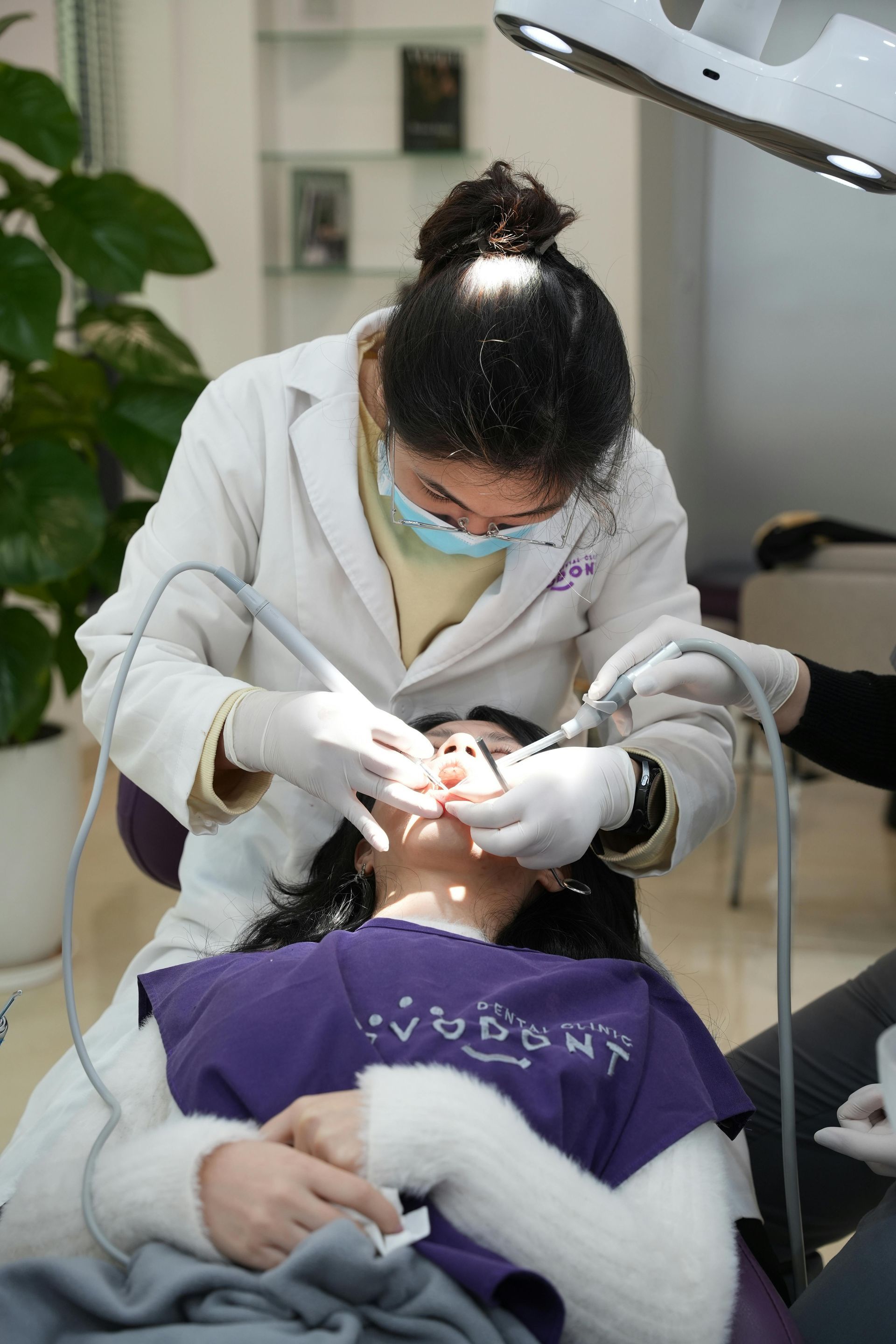
At Evolve Dental Studio in North Delta, we work with anxious patients every day. Our approach is straightforward: we listen first, we explain everything, and we never make anyone feel judged for the time that has passed or the fears they carry into the chair.
We offer sedation dentistry for patients who need it, same-week appointments for those who are ready to take the first step, and a team that genuinely takes pride in making every visit feel different than the ones that came before.
If dental anxiety has been keeping you from the care you need, we would like to help you change that. Your first visit is a conversation — nothing more.
Evolve Dental Studio 8425 120 Street, Suite 204, North Delta, BC 778-438-2160 evolvedentalstudio.ca
Final Thoughts
Dental anxiety is real, it is common, and it is manageable. The strategies above — from practical coping techniques to sedation dentistry — give patients real options. But the single most important step is the first one: finding a dental team you trust and telling them how you feel.
The longer dental anxiety goes unaddressed, the more it costs — in oral health, in confidence, and in the complexity of eventual treatment. The good news is that it is never too late to start fresh, and the right clinic will make sure of it.